
Writer
Essays on work, attention, and modern life, and why we still need analog moments.

Essays on work, attention, and modern life, and why we still need analog moments.
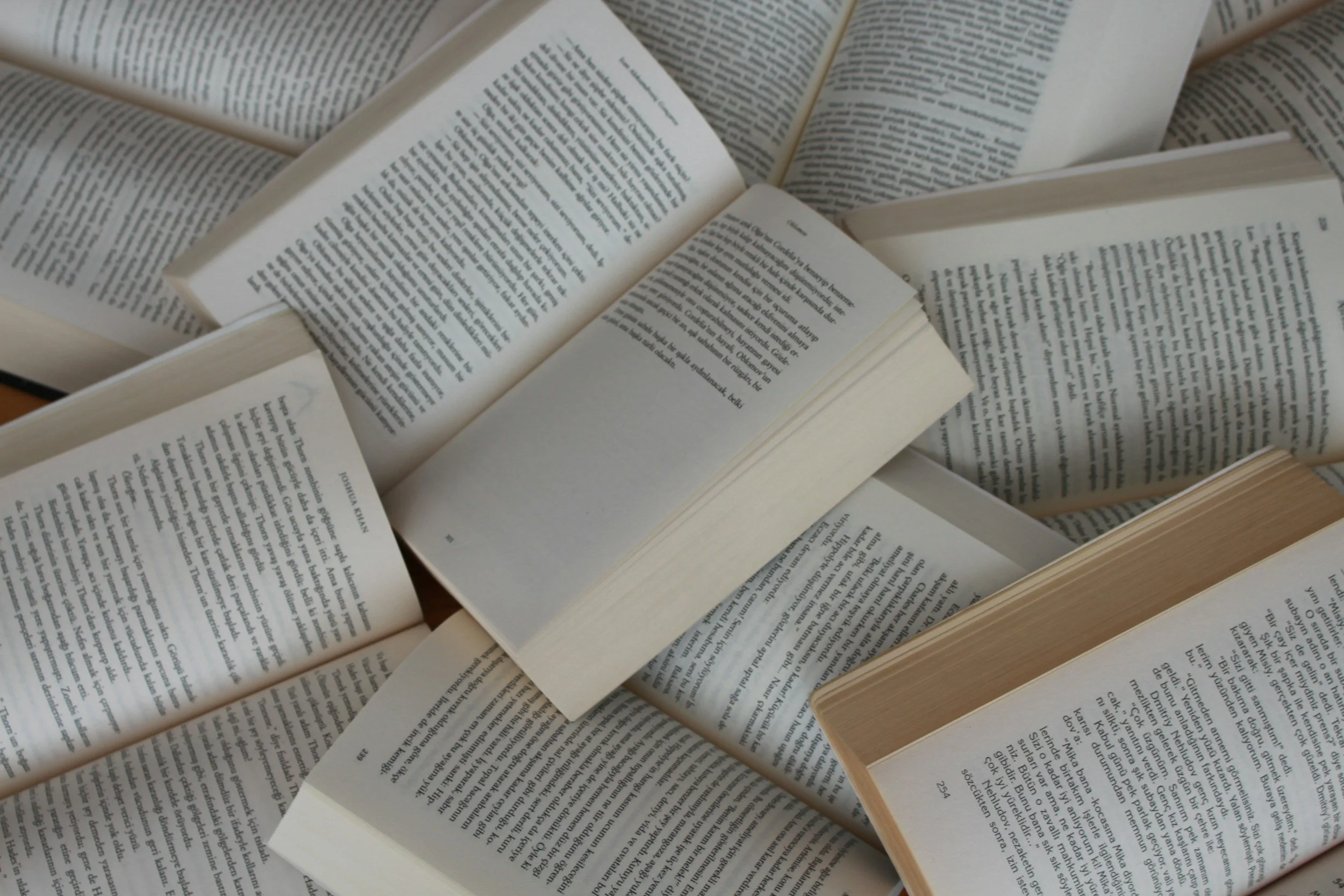
According to You.gov, an online market research and data analytics firm, 40 percent of Americans read ZERO books in 2025. None, zip, nada! I can’t fathom this. Approximately a quarter of Americans read between 1 and 4 books, 13 percent read 5 to 9 books, and about 20 percent read 10 or more books.
But when your input is dismissed, interrupted, or downright ignored, you have to wonder, “Why am I even a part of this conversation?”
There are several types of dismissers and interrupters:
I was born in 1975, and though I am not completely nostalgic for that era, growing up in the mechanical age of the 1980s, before the digital world consumed so much of daily life, was grounding in a way that recent generations cannot understand fully. Vestibular migraine pushed me backwards, in a positive way, toward the non-digital age.
I opened my email and found an old scan of a college parody newspaper, something along the lines of MAD Magazine. The front page showed two naked men, one much shorter than the other, with rectangular black bars covering their eyes and their genitals.
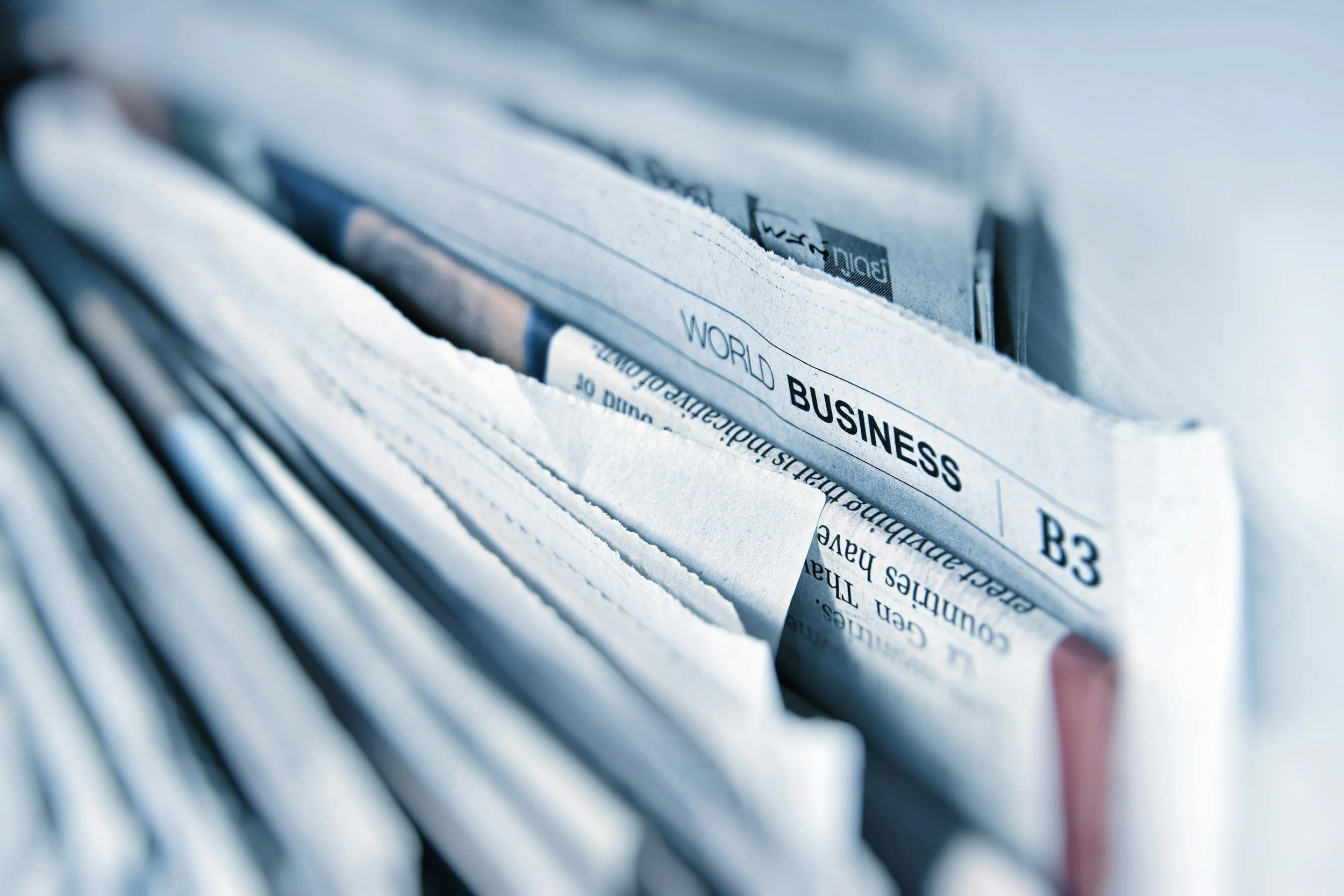
Most campaigns resist direct attribution, because great marketing works the way water shapes stone: not through a single dramatic moment, but through constant pressure over time. The brand that shows up consistently — in the right publications, in the right conversations, in the right inboxes — is the one people trust when it finally matters.



We hear too many things in a day. There is too much noise. The peer-reviewed articles I researched evaluated noise pollution in terms of decibel levels. I’m not talking about loudness; I’m referring to the amount of noise and sounds we collectively take in in a day.